
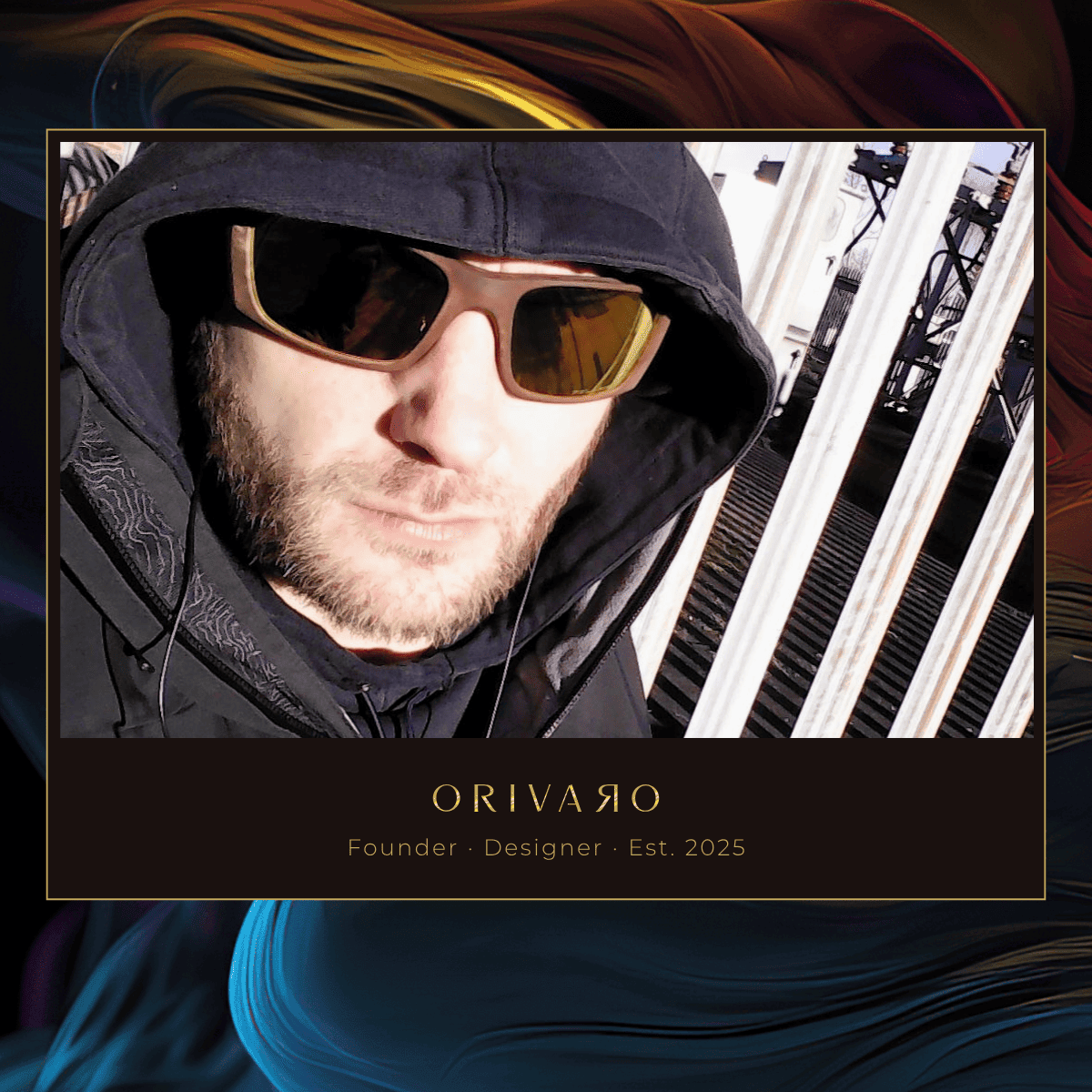
Orivaro may be a new name, but the experience behind it is not.
I began working in website design in 1998, shortly after college, when the internet looked very different from the one we know today.
There were no polished ecommerce themes waiting to be installed. No drag-and-drop builders. No endless library of templates promising to create a “high-converting brand” in an afternoon.
We built websites using HTML tables.
Actual tables.
You could spend an hour trying to move something ten pixels, only for the entire layout to collapse because one invisible spacer image had decided it no longer wanted to cooperate.
It was frustrating, technical and occasionally ridiculous, but it forced you to understand structure.
You had to know why something belonged where it did. You had to think about how people moved through a website, where their eyes travelled, what information they needed and what might stop them from continuing. Even to the level of a users ability to control a mouse and "hover" over clickable button / text link.
That foundation shaped the way I still approach design today.
More Than Making Things Look Good
Over the years, I worked on hundreds of websites across retail, hospitality, education, finance, business-to-business, consumer and not-for-profit sectors. Much of that work was delivered through agencies, studios and partner companies, contributing to projects for organisations of every size, from specialist businesses to major national brands.
Every audience required a different approach. A website aimed at young consumers could not speak or behave in the same way as one built for financial professionals. A not-for-profit organisation needed different emotional priorities from a retailer. Accessibility, age, confidence with technology and the reason somebody had visited all affected the final design.
We created customer profiles and audience personas.We studied how different people navigated, what they trusted, what caused hesitation and what encouraged action. We considered usability, accessibility, information architecture, marketing, cross-selling, upselling and the entire customer journey.
Today, much of that work is placed underneath fashionable labels such as UX, UI and conversion optimisation.
We were already doing it. Not because the terminology sounded impressive, but because a website that looked attractive and failed to work was still a failed website.
Knowing Where My Strength Was
I also worked with Flash animation and coding, but eventually made a deliberate decision. My strength was not spending my life buried in code. It was design, navigation, usability and understanding the person on the other side of the screen.
That decision paid off.
I became known for being able to take complicated businesses, large amounts of information and very different audiences, then turn them into something clear, usable and visually engaging.
"I would solve complex issues with visual answer"
That experience opened doors to new roles, larger projects and opportunities in very different industries.
I turned it down because its clients were predominantly in gambling and adult entertainment.
The money was substantial, but the industry was not where I wanted to place my talent.
That decision probably says as much about the foundations of Orivaro as anything else.
Quality matters.
But so does what you are building, why you are building it and whether you can stand behind it.
Bringing It All Into Orivaro
Orivaro is where those decades of experience have finally become personal.
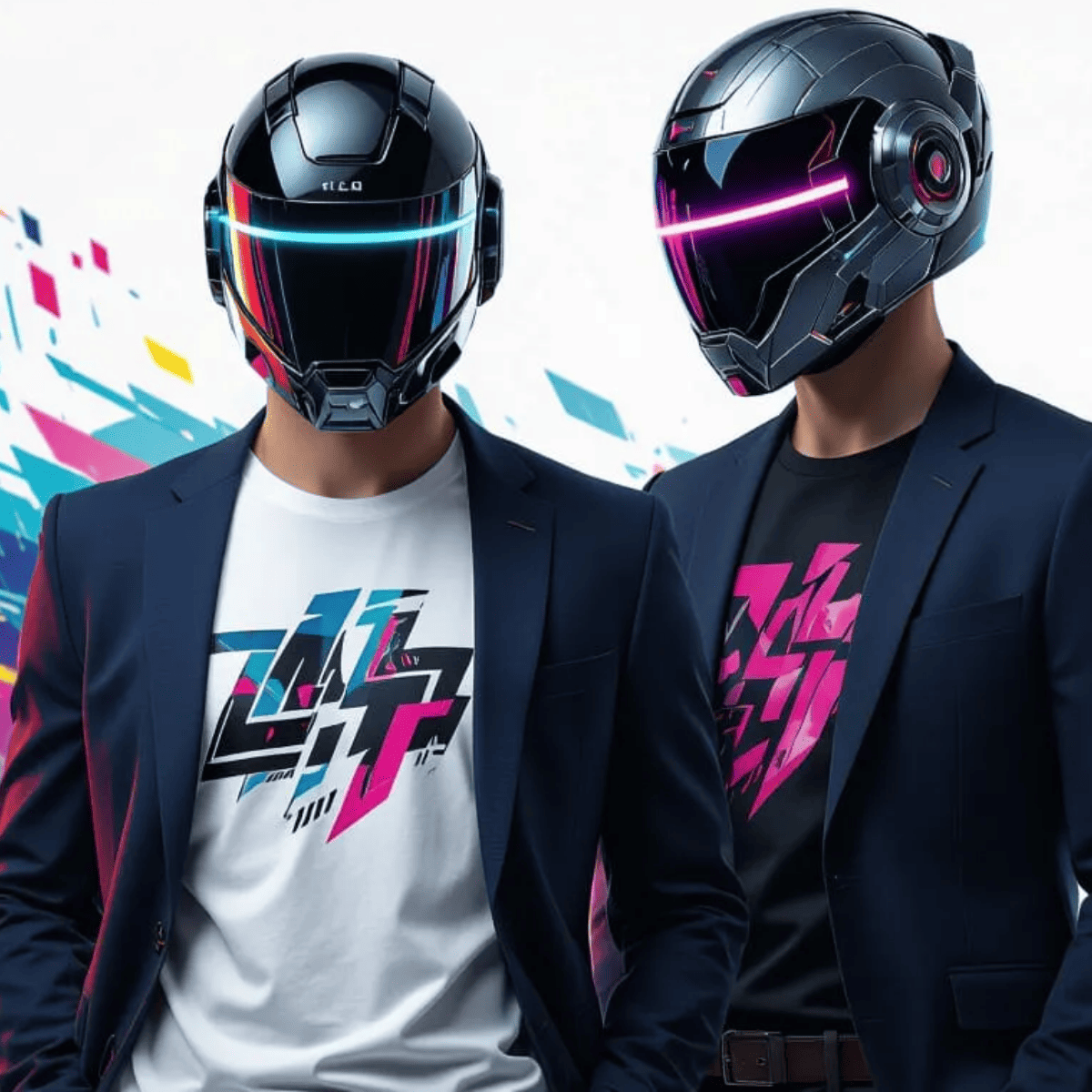
This time, I am not interpreting somebody else’s company. I am building my own. Every part of the brand is considered - the artwork, garment, fit, fabric weight, print method, website structure, photography, language and way each product is presented. The T-shirt is not simply a blank surface carrying an image.
The garment is part of the design.
That is why Orivaro uses premium heavyweight garments rather than choosing the cheapest available blank to increase profit.
It is why we use pieces with proper structure, considered stitching, side seams and fabrics that feel substantial as soon as they are picked up. It is why our designs are tested as finished products rather than judged only from a digital mock-up. It is why I care about whether the print still looks and feels right after months of wear. Anybody can place artwork onto a cheap T-shirt. The challenge is creating a finished garment where the artwork, colour, fit, texture and print all feel as though they were meant to exist together.
That is the standard behind Orivaro.
Value Is Not the Same as Cheap
There will always be cheaper T-shirts.
There will always be businesses able to increase their margins by reducing garment weight, using lower-cost printing or cutting corners that most customers may not immediately notice.
That is not the route I have chosen.
Orivaro is being built around value rather than cheapness.
Value means receiving something that feels worth owning.
It means the garment has presence before anybody has even examined the artwork. It means the print becomes part of the fabric rather than feeling like a plastic layer sitting on top. It means a design still matters after the initial novelty has disappeared. It also means treating customers like people rather than order numbers. Large companies can outspend an independent brand. They cannot recreate the relationship between a founder and the people who choose to support what he is building.
Experience, Finally Forged Into Something of My Own
Orivaro did not appear from nowhere.
It carries more than 25 years of design experience, hundreds of completed projects, lessons learned from different industries and a lifetime of understanding how people interact with visual ideas.
But it also carries something those earlier projects could not.


Leave a comment
All comments are moderated before being published.
This site is protected by hCaptcha and the hCaptcha Privacy Policy and Terms of Service apply.